Why seasonal maintenance matters in Georgia
The Georgia climate swings between hot summers and cool winters. A steady routine keeps homes comfortable and helps equipment last longer. Across Georgia, a predictable maintenance cadence means fewer surprises when you need cooling on a July afternoon or heating on a January night.
Preventive care isn’t glamorous, but it’s practical. A little upkeep now reduces the chance of a midseason breakdown and lowers energy use over the year. Our crews in every Georgia metro see the same pattern: proactive checks beat emergency repairs every time.
A simple, statewide plan you can follow
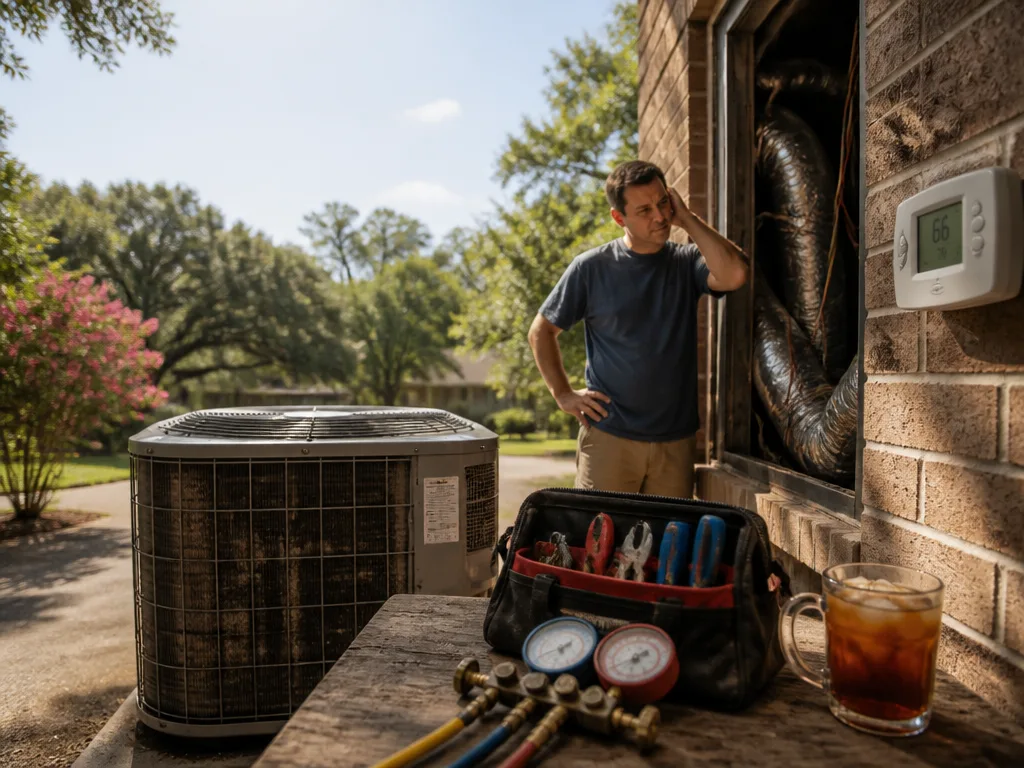
Spring: Schedule a check before peak cooling season. A technician will inspect refrigerant levels, measure airflow, and ensure the outdoor unit is clean. Clean air filters and clear space around the outdoor unit are quick wins that make a real difference in Georgia summers.
Summer: Maintain comfortable cooling by staying on your maintenance schedule. If you notice humidity or hotspots, tell our HVAC technician about it so we can fine tune the system and confirm airflow paths are balanced.
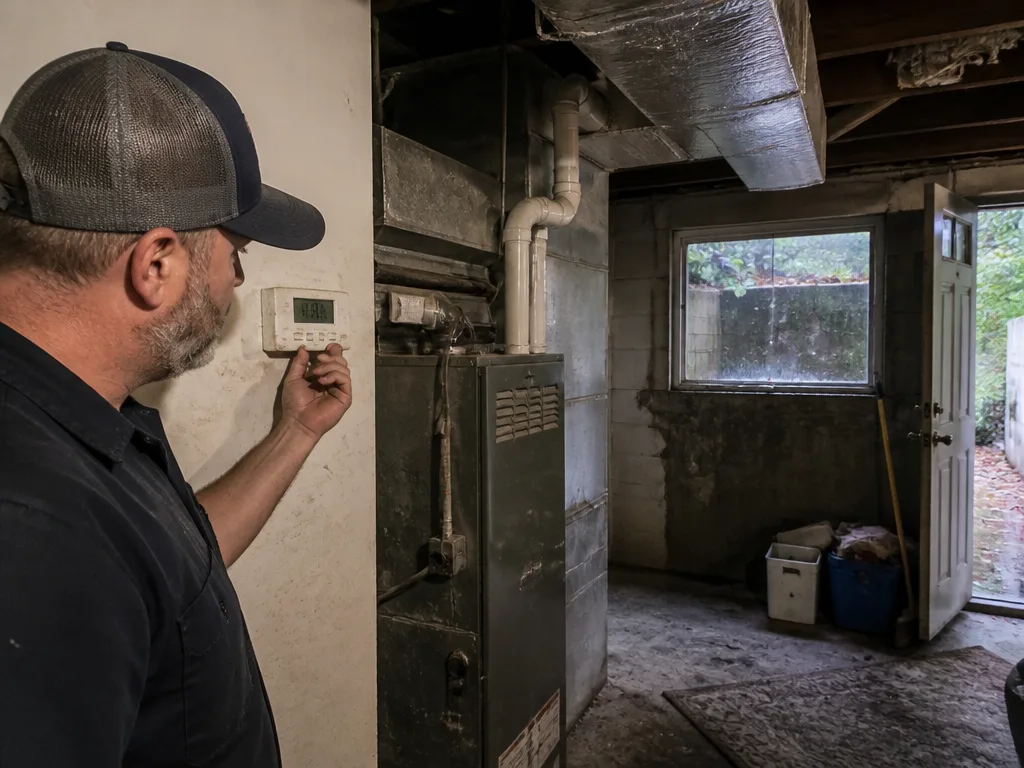
Fall: Prepare for heating season with a tune-up and thermostat verification. A well-timed service helps avoid cold snaps in Georgia homes. Check and seal air leaks around doors and windows to keep conditioned air inside.
Winter: Keep up with filter changes and listen for any unusual noises. If you run your heat more often, a professional check to confirm efficiency and performance is valuable. A routine service in winter helps maintain comfort and control energy use.
What our Georgia-wide team does during a routine visit
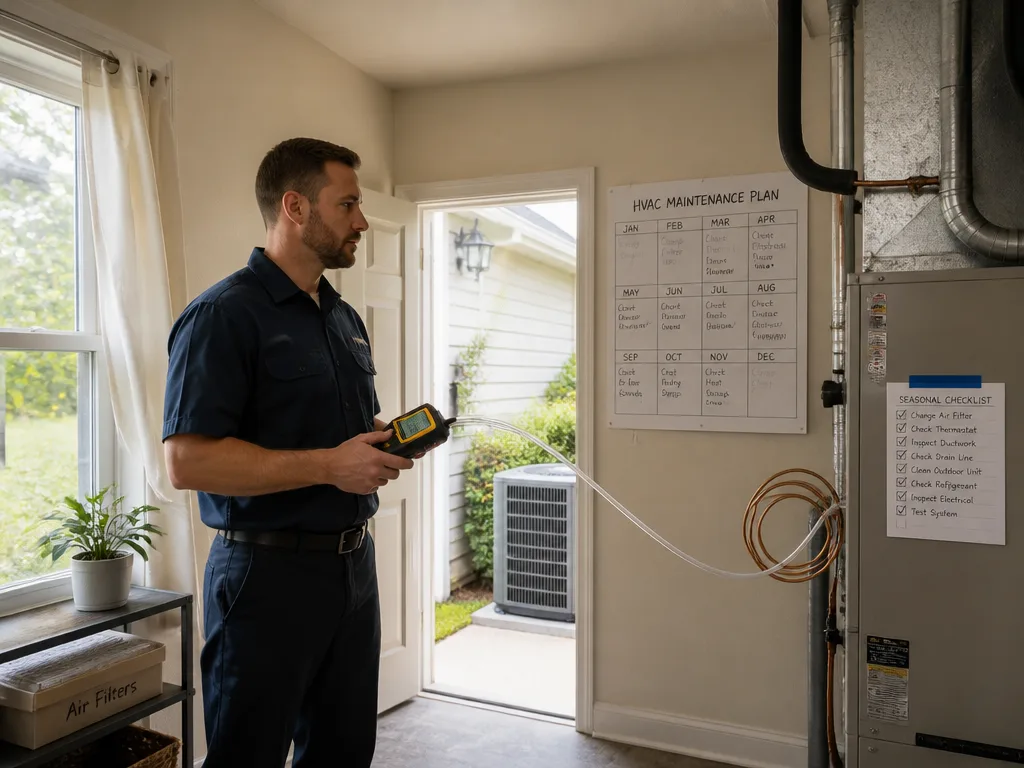
During a typical maintenance visit, our HVAC technician inspects key components, tests electrical connections, and confirms thermostat accuracy. We check refrigerant pressures if applicable, listen for unusual sounds, and ensure airflow is even across zones. The goal is to catch wear before it becomes a failure.
We tailor recommendations to your home and climate. In Georgia, where summers are long and winters vary by region, that means focusing on cooling efficiency first, then preparing for heating needs. Our approach is practical, not flashy.
Ready-to-use maintenance checklist
- Replace filters on a schedule based on usage and dust levels.
- Keep outdoor units clear of plants, debris, and toys.
- Schedule a professional inspection twice a year for best results.